Eight lights and smart bites: Staying healthy and in control of your diabetes from the first latke to the last doughnut during Hanukkah
This article was prepared before the tragic events at Bondi Beach in Australia. Our thoughts are with everyone affected.
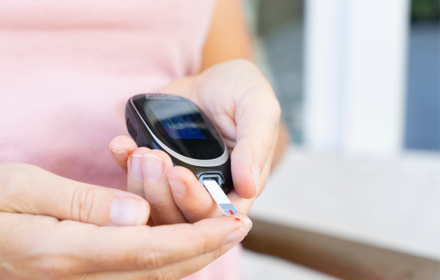
When celebrating Hanukkah while living with type 1 or type 2 diabetes, it pays to find a good balance between tradition and enjoyment. Mindful management of blood glucose levels can be achieved without having to miss out.
Hanukkah includes a lot of fried food, in celebration of the miracle of the oil. In 164 BCE, when the Hasmoneans (Maccabees) reclaimed the Second Temple in Jerusalem, they lit the temple's menorah (candelabrum) to rededicate the temple. They could only find one small jar of ritually pure olive oil, enough to last one day, yet it burned for 8 days, the exact time needed to purify another batch of oil.
In addition to lighting the eight - branched menorah (Hanukkiah) in celebration, foods are fried in oil, like latkes and doughnuts, and eaten over the 8 days of Hanukkah.
Is it possible to enjoy fried foods every day for eight days and still stay healthy?
To honour the tradition of the oil as used in the miracle and there are many things you can do to incorporate it as a healthier ingredient during these festivals and throughout the year. This monounsaturated oil is best incorporated in meals as an accompaniment such as chilli olive oil on pizza, or as a simple drizzle on salads and dishes, like smashed avocado and ciabatta.
You can get creative by experimenting with flavours and ingredients to make some exciting dressings or slow roast some delicious cherry tomatoes, garlic and basil. You can even bake an olive oil sponge cake as an alternative to using butter, flavoured with fresh orange or lemon and even accompanied with honey to reduce the sugar content. A recipe for inspiration can be viewed below:

It is best to avoid using olive oil to deep fry with because the effect of heat can change the oils’ structure and make it unhealthy. Olive oil is recommended, though other oils like rapeseed (usually labelled vegetable oil) or sunflower oil are also suitable for frying. Try to avoid saturated vegetable fats or animal fats.
It is quick and easy to buy shop bought preprepared foods, like doughnuts, but this carries a risk. It is hard to know the ingredients used, and what kind of oil was used. In addition, the oil may have been heated many times, creating trans-fats, that can cause various health detriments, such as negatively affecting cholesterol balance, causing inflammation and contributing to insulin resistance, amongst other things.
Preparing your own food may take longer, but it is a sure way to guarantee your food is made with healthy, good quality ingredients.
Another method that can help is to air-fry or shallow fry food, such as latkes. This can help them take on less oil than deep frying, while keeping a good texture and flavour.
It's not just about the fats in the oil, the food being fried can be high in carbohydrates, and the cooked food often has sweet accompaniments like honey, which is used in lavish amounts during the various Jewish holidays.
Think about the overall calorie content of your food, as well as when to eat it. Keeping your daily calorie total to a limit that suits you is advised and being conscious of the amount you are eating can help you to moderate excessive calorie intake.
Eating smaller portions regularly throughout the day, rather than eating lots all at once, may help maintain blood glucose and lessen the chance of spikes.
Including balance in your daily food will help with overall health. Along with the fats and carbohydrates, make sure you include foods with fibre and protein to make balanced meals.
Taking some exercise between eating, like dancing or walks with friends and family could be good options for the health and enjoyment.
When exercising, take particular care to stay hydrated especially after eating oil rich foods.
Low sugar options for your sweet accompaniments can help reduce the simple carbohydrate content in your meals. Fresh fruits are also a good sweet option.
Healthy swaps and recipes for Hanukkah are available on the NHS Patient Info site here
Let your Hanukkah be a joyful, meaningful time, while still maintaining your diabetes care. With some planning, choosing healthier recipes and cooking methods, monitoring glucose and calories, and making small swaps, you can savour traditions while maintaining control.
"May the glow of the menorah fill your home with warmth, joy, and wellness."
See our Celebrate In Style Webinar, for information on enjoying Christmas, Diwali, Ramadan and Eid, Mela, Hanukkah, Yule, Chinese New Year and beyond. Plus much more diabetes information on our UTD Digital Hub.
I would like to make a regular donation of
I would like to make a single donation of
There are lots of ways to raise money to support
people living with all forms of diabetes.
Bake, Swim, Cycle, Fly ... Do It For DRWF!
Fundraise with us
This article was prepared before the tragic events at Bondi Beach in Australia. Our thoughts are with everyone affected.
Recent News