Government confirms European-approved medical devices will continue to be recognised
Following public consultation, the government has announced that CE (Conformité Européenne) marked medical devices will still be available in Great Britain.
Patients across Great Britain will continue to have access to the medical devices and in vitro diagnostic devices (IVDs) after the government confirmed it will continue to accept CE marked medical devices on a long-term basis.
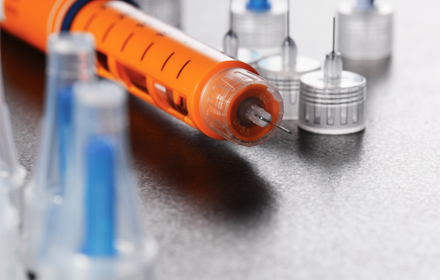
The medical devices include insulin pumps that people living with diabetes rely on in addition to replacement joints to diagnostic tests and surgical equipment.
The decision announced recently by the Medicines and Healthcare products Regulatory Agency, followed a public consultation earlier this year, from 16th February to 10th April, that received more than 1,000 responses from patients, healthcare organisations, industry and others.
The decision means the UK will not require an additional approval route for devices already approved for the EU market, avoiding duplication for manufacturers and helping to maintain stable supply and patient access to medical technologies.
More than 90% of medical devices registered for use in Great Britain currently carry a CE mark, meaning they have been assessed and approved for the European market, and this approval has been recognised to provide access to the Great British market.
A statement from MHRA said: “Continuing to recognise these devices will help maintain safe, uninterrupted access to the treatments and technologies that patients and the NHS rely on. This sits alongside the UKCA (United Kingdom Conformity Assessed) marking route, which continues to operate as the domestic approval pathway for devices placed on the market in Great Britain.
“These arrangements sit alongside strengthened post-market surveillance and reporting requirements already in place. The MHRA will continue to oversee all devices on the UK market, monitor safety through mechanisms including the Yellow Card scheme, and work closely with international partners to share safety information enabling the MHRA to take action to protect patients where needed.
“In parallel, the UKCA route remains the current domestic approval route for medical devices placed on the market in Great Britain. This is being modernised through the pre-market statutory instrument, which will update the requirements devices must meet to be UKCA marked. Alongside this, we will continue to seek enabling powers through primary legislation to develop a future licencing approach for medical devices, intended to support a more modern and adaptable framework that is better able to respond to advancing medical technologies, including software and AI medical devices, reflecting recommendations from the National Commission into the Regulation of AI in Healthcare.
“Our approach will secure supply of medical devices for UK patients while also supporting safe, rapid access to innovation so that patients can benefit from the best new technologies. By providing a clear and predictable regulatory framework. The approach supports the development and availability of new health technologies for patients, in line with the ambitions of the Government’s Life Sciences Sector Plan and 10 Year Health Plan.”
In addition, the continued recognition of CE-marked devices reflects the wider ambition of the MHRA’s 2030 Strategy to expand reliance and recognition routes with trusted regulators, reducing regulatory burden, strengthen supply resilience and supporting timely patient access.

Lawrence Tallon, Chief Executive of the MHRA, said: “This decision gives patients, the NHS and industry the long-term certainty they need on access to medical devices. By continuing to recognise CE marked devices, we’re ensuring that patients across Great Britain maintain uninterrupted access to the medical technologies they depend on, from life-saving diagnostics to everyday treatments, while our wider device reforms will ensure our regulatory framework is ready for the innovative technologies of tomorrow, including AI-powered medical devices. The MHRA will continue to oversee the safety of every device on the UK market, and we remain committed to working closely with international partners to identify and act on safety concerns quickly.”
Steve Lee, Executive Director, Regulation, Association of British HealthTech Industries, said: “Regulatory predictability and avoiding unnecessary duplication are fundamental to industry investment decisions, which ultimately determine how quickly patients can access new technologies. Long-term recognition of CE marking is therefore a significant and welcome decision, providing much-needed certainty for manufacturers, safeguarding patient access and strengthening the UK’s position as an attractive and competitive market for HealthTech.
“We look forward to its implementation, with this practical and proportionate approach supporting continuity of supply and ensuring friction-free access to the medical devices, IVDs and digital health technologies on which UK patients, citizens and the NHS rely.”
The government will continue to engage with patients, clinicians and industry as these arrangements are implemented, including a programme of engagement sessions with patient groups to explain the response and address questions on safety and oversight.
I would like to make a regular donation of
There are lots of ways to raise money to support
people living with all forms of diabetes.
Bake, Swim, Cycle, Fly ... Do It For DRWF!
Fundraise with us
Recent News